Real Madrid vs Alavés told through one run, one hug, and one decision that would not go away
At Mendizorroza, Real Madrid vs Alavés ended with the scoreboard doing Real Madrid a kindness that the performance rarely offered. A 2-1 win returned Xabi Alonso’s side to the right side of the results column, pulled them back to within four points of Barcelona, and steadied a season that had begun to wobble under the weight of scrutiny.
But the game refused to be remembered solely for Kylian Mbappé’s finish, Carlos Vicente’s reply, or Rodrygo’s late twist. It became a match about what people felt they saw, what the officials refused to give, and what that refusal triggered in the final minutes.
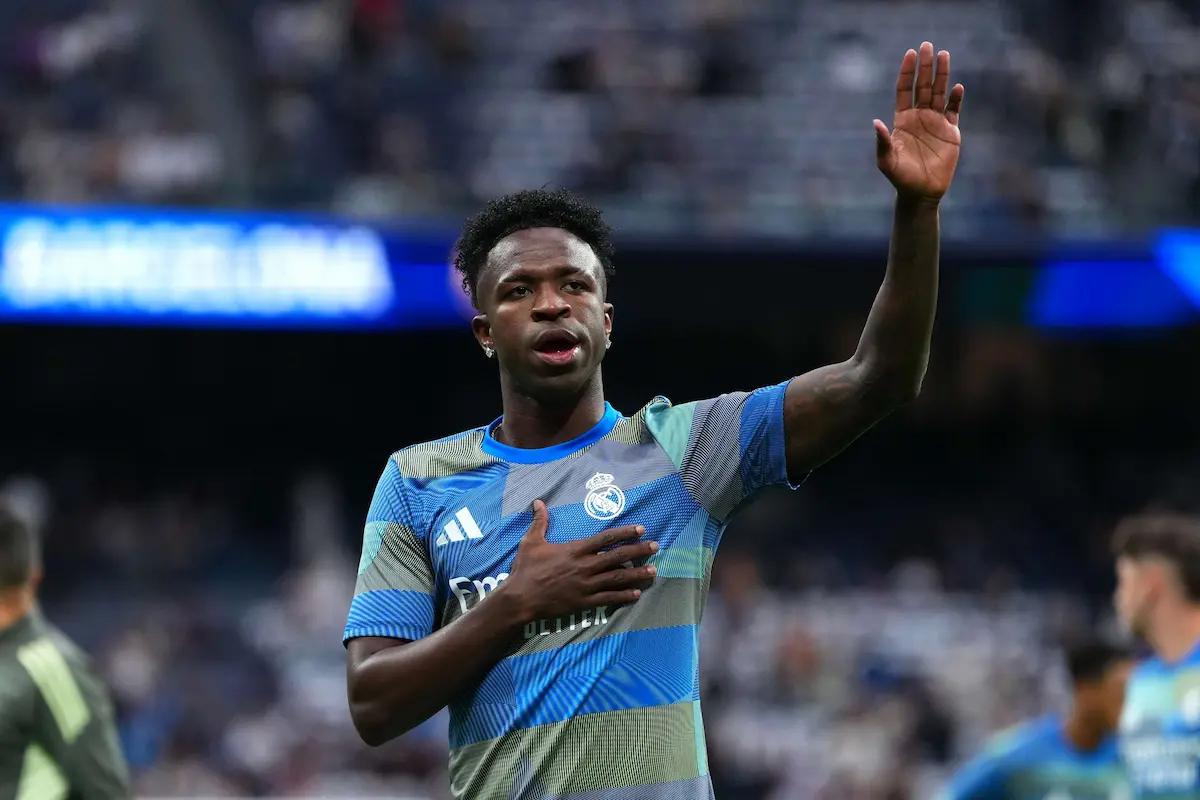
In the dying stages, Vinícius Júnior went down in the Alavés area under a challenge from Nahuel Tenaglia. Referee Victor García Verdura waved it away, and VAR agreed. Real Madrid did not. Neither did their head coach, and Vinícius made sure the cameras heard exactly why he believed the whistle stayed silent.
A night of pressure and a morning of talking points
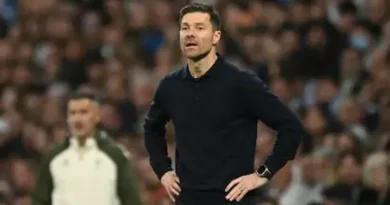
Real Madrid arrived needing relief. ESPN reported that a disappointing run featuring three league draws and a loss to Celta Vigo had led club executives to discuss Alonso’s future, a debate sharpened further by a 2-1 defeat to Manchester City. Mendizorroza, intense and unforgiving, was not a place to go looking for calm.
And yet, amid absences and suspensions, Alonso spoke afterward like a manager trying to gather his team into one story line. He praised the group’s togetherness and insisted that unity was “fundamental,” presenting the win as a shared act rather than a solitary rescue mission.
There was also a personal subplot humming beneath everything. Alonso’s relationship with Vinícius had been scrutinised since the winger’s angry reaction to being substituted in October’s Clásico, but ESPN noted that the pair hugged after Vinícius was taken off late against Alavés. In a season of noise, that image mattered.
Mbappé strikes first and reminds everyone what control can look like
Real Madrid’s lead came from a sequence that felt like a deliberate exhale. Jude Bellingham found Mbappé, the Frenchman collected, cut inside from the left, and bent a shot into the top corner past Antonio Sivera. It was a finish with the authority of a player who does not need a match to be comfortable before he decides the match should be his.
The goal also carried a statistical edge, with Mbappé moving to 17 La Liga goals for the season. In the context of this specific night, it did something simpler and perhaps more important. It briefly made it look as if Real Madrid might manage the game instead of surviving it.
That illusion did not last. Sources around the match described a side that, even after scoring, did not look convincing. Both Alonso and Fede Valverde later pointed to a shift where Real Madrid retreated too much and struggled to progress with the ball.
Alavés punch back and Mendizorroza becomes itself again
The equaliser came with the kind of snap that changes a stadium’s temperature. Carlos Vicente, introduced from the bench, brought the ball down brilliantly and fired beyond Thibaut Courtois. He was initially flagged offside, but VAR confirmed he was level with Antonio Rüdiger, and the goal stood.
It was a reminder of how thin Real Madrid’s margins felt at this moment of the season. One action, one lapse, and a match they needed to win became a match they might lose. Alonso, speaking to Diario AS, framed it as conceding in the only moment where debutant Victor Valdepeñas “failed,” adding that in all the other actions he had been “very correct” and “played very well.”
Rodrygo’s winner and the Vinícius assist that cut through the frustration
When the decisive moment arrived, it came from the player who has often embodied Real Madrid’s ability to be decisive even when the game is messy. Vinícius, who had struggled to make an impact for long stretches, produced a fine assist for Rodrygo’s late winner.
It was the most persuasive argument for Vinícius on a difficult evening. Even when his performance feels trapped between defenders and emotions, his end product can still tilt the league table. The sources noted this season’s first half has been difficult for him, but also that he has shown signs of moving back toward his best level.
Valverde described the victory in terms that sounded like a dressing room choosing pragmatism over beauty. With “many casualties due to injuries and expulsions,” he said, the team showed pride and kept fighting until the end, then “found a great goal from Rodrygo” to win.
The penalty incident that swallowed the final minutes
Then came the moment that refused to stay a moment. In the 89th minute, Vinícius surged into the penalty area and went to ground under Tenaglia’s challenge. No penalty was given, and VAR did not intervene. Real Madrid’s anger travelled from the pitch to the technical area to the postmatch quotes in a straight line.
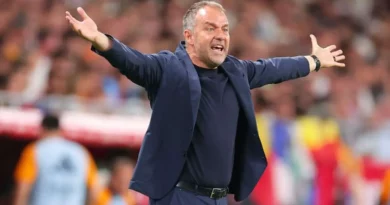
Alonso’s view was unambiguous. He said he thought it was a “clear penalty,” cited Vinícius’ speed and the contact, and added he was “very surprised” it did not even go to the monitor. Then came the line that landed with a thud because it suggested history, not just disagreement. “That being said,” Alonso added, “we are not surprised”.
Vinícius went further, and did it in a way that turned the debate from interpretation to identity. TV cameras picked up the exchange referenced by multiple reports. Alonso told him, “It was a clear penalty.” Vinícius replied, “He didn’t call it because it was me. A clear penalty!” In another captured moment, he phrased it even more sharply, saying the referee “doesn’t whistle because it’s me.”
Real Madrid TV also expressed strong unhappiness with the decision, directing criticism at García Verdura and VAR for not awarding the spot kick. The fury was not only about gaining a chance to seal the game late. It was also about how a star forward believes he is being judged, and what that belief can do to a player already navigating a difficult stretch.
Unity as the message and why it mattered as much as the points
After a match like this, managers often choose the safest phrasing available. Alonso tried to separate the action from the official, saying he would talk about the incident “not the referee.” Yet he still emphasised surprise at the lack of VAR review, and his “not surprised” aside betrayed the deeper frustration.
At the same time, Alonso’s main theme was togetherness. “We’re all together, we’re fighting together in the good moments and not so good moments,” he said, calling unity fundamental. With two more fixtures before the Christmas break, a Copa del Rey trip to Talavera de la Reina and a home league match against Sevilla, he framed the win at Alavés as momentum that must be repeated, not admired.
Valverde echoed that internal posture and, in doing so, gave the night a softer human centre. He singled out Valdepeñas, the young left-back making his debut, and explained the advice he offered before kick-off. Enjoy it, value it, because playing for Real Madrid is “something unique” and “dreamed of.” He then praised the youngster for defending the badge “like never before.”
What Real Madrid actually learned at Mendizorroza
This was not a victory that answered every question about Real Madrid’s form, or the pressure around their coach. It was a victory that exposed the team’s current reality and then, crucially, showed how they can still win within it.
- They still have game-breaking quality when space is scarce, with Mbappé providing the first strike and Rodrygo finishing the job,
- They can be vulnerable when their control fades, with the equaliser arriving after they failed to stay on the front foot,
- They are emotionally volatile right now, and the penalty incident involving Vinícius became a mirror for wider tensions.
The most telling detail might be the simplest. Vinícius struggled, then delivered the assist that won the match, then spent the final minutes furious at what he felt was denied to him. It was contradiction and consequence in one performance, the kind that defines seasons.